
Checkatrade verified skill
Walls and ceilings skimmed flat and closed off ready to decorate, from a single room to a whole house.
10/10
From 69 Checkatrade reviews
Free
Quotes, with no call-out charge
2020
Checkatrade member since
Local
Rossendale based, Lancashire wide
Skimming is the job most people mean when they ring a plasterer. The wall behind is basically sound, but it has forty years of history on it: filled sockets, wallpaper scars, a patch where a fireplace came out, or the textured artex ceiling that every East Lancashire terrace seems to have. A skim coat puts all of that behind you in a day and gives the decorator a surface worth painting.
The preparation is what decides how the finish looks in six months, so it does not get rushed. Old wallpaper comes off rather than getting skimmed over. Surfaces are stabilised and primed to suit how thirsty they are, which on a hundred-year-old stone-built wall is a very different mix to a plasterboard partition put in last year. Beads go on at every external corner and reveal so the arrises stay straight and take a knock without chipping.
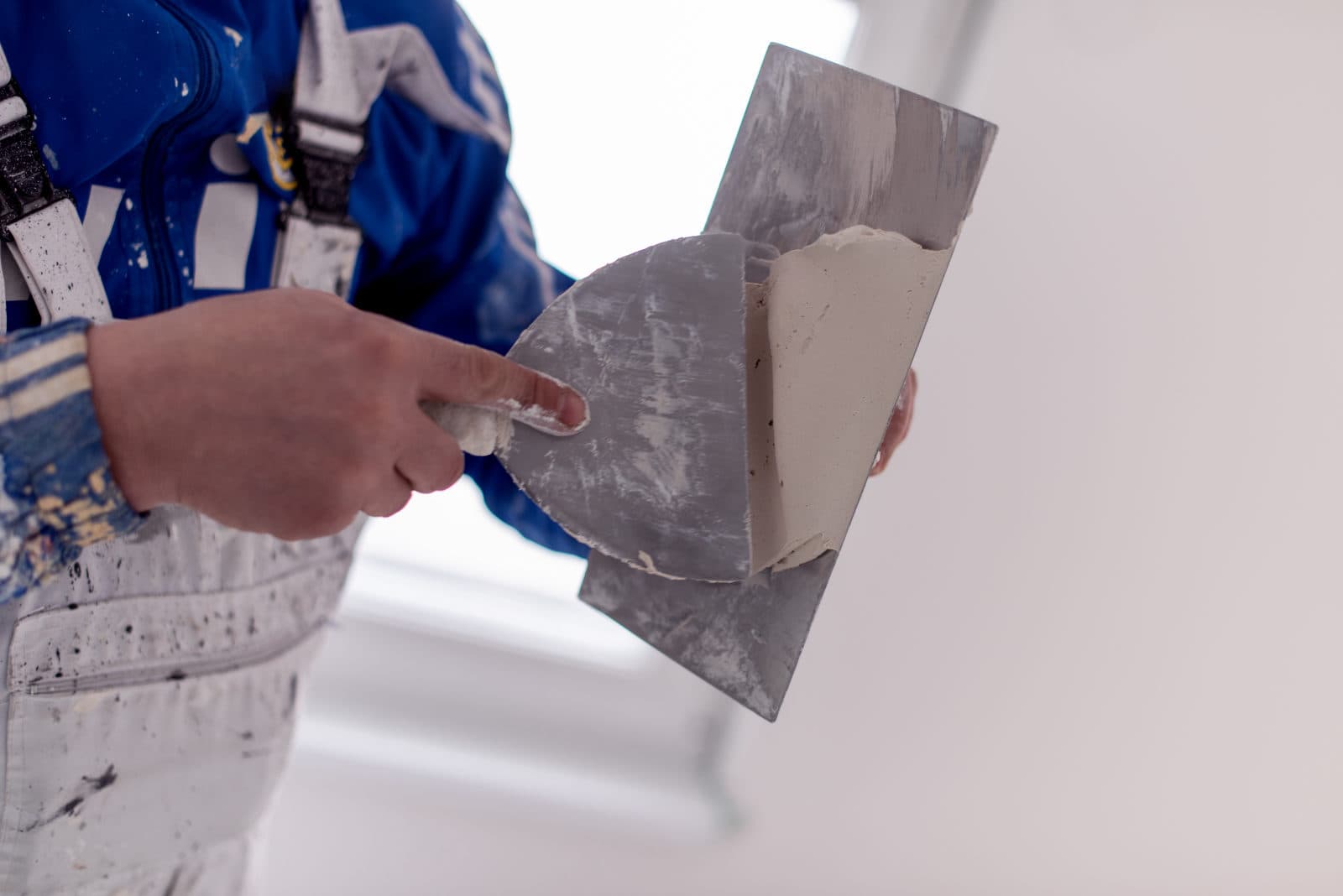
Then two coats of finish plaster go on wet on wet, and the wall gets trowelled through several passes as it firms up, closing the surface down to a smooth, flat finish that is ready for paint once it has dried out.
Older Lancashire housing stock needs a bit more thought than a new build does. Solid stone walls with no cavity, lath and plaster ceilings in the older terraces, and backgrounds that have already been patched two or three times by somebody else all behave differently. Lee will tell you straight when a ceiling is better overboarded than skimmed over, even though overboarding is more work, because skimming onto a ceiling that has already let go is money spent twice.
What is included
- Full room skims, walls and ceilings, ready to decorate
- Artex and textured ceilings flattened out or overboarded
- Backgrounds stabilised and primed to suit stone, brick or board
- Beads set at every corner and reveal so arrises stay sharp
- Sockets, switches and old fixings cut in cleanly
- Everything sheeted up, floors protected, debris taken away
What it costs
Most single rooms land in the low hundreds. The size of the room, the state of the background and whether ceilings are included move the number, which is why Lee quotes off a look or a photo rather than a price list.
How long it takes
A typical single room is a one-day job, two if ceilings are included.
Get a free quoteIn your town
Plastering Across East Lancashire
Every town below has its own plastering and skimming page, with the local building stock, the prices and the questions that come up in that town specifically.
Common questions
Plastering and Skimming Questions
What is the difference between plastering and skimming?
Skimming is the thin finish coat, usually two or three millimetres, laid over a background that is already sound and flat. Full plastering means building the wall back up first with a backing coat before that finish goes on. Most jobs in occupied homes are skims. Lee will tell you which one your wall actually needs when he looks at it.
Can you skim straight over artex?
Usually yes. The peaks get knocked off, the surface is sealed with a bonding primer and then it is skimmed flat. Where the artex is thick, badly cracked or already parting from the ceiling, overboarding first is the honest answer, because a skim is only ever as sound as what it is stuck to.
Do I need to take the wallpaper off first?
It needs to come off, but you do not have to be the one to do it. If it is already stripped that saves time and cost. If not, Lee will price the stripping in. What is not an option is skimming over paper, because the paste behind it lets go and takes the new plaster with it.
How long before I can paint a freshly skimmed wall?
Give it four to seven days to dry out fully, longer in a cold or unheated room. The plaster goes from dark pink to a uniform pale colour when it is ready. The first coat should be a watered-down mist coat so the porous surface takes it evenly, then two full coats on top.
How much mess does skimming make?
Less than people expect. Floors and anything left in the room get sheeted before a bag is opened, and the debris and old wallpaper go with Lee at the end of the job. There will be dust, and there will be a couple of hours where the room is out of use, but you are not left with a clean-up.
Do I have to move out while the work is done?
No. Nearly all of this work happens around people living normally in the house. One room at a time means one room out of use at a time. Lee works around the household rather than the other way round, and jobs get finished when they were said to be finished.
Can you skim a ceiling as well as the walls?
Yes, and it is worth doing at the same time. Ceilings are the surface where a poor finish shows most, because the light rakes across them. Doing the ceiling and walls in one visit also avoids the mess of coming back and re-sheeting a room you have just decorated.
What preparation do you need me to do?
Clear the room as far as you reasonably can, and take down curtains, blinds and anything hanging on the walls. Anything that will not move gets sheeted. Beyond that, nothing. Lee brings water, power leads, sheeting and everything else the job needs.
Will the new plaster crack?
Hairline movement at the junction between a wall and ceiling is normal in an older house and gets caulked before decorating. Cracking across the face of a wall is not normal and means the background moved or the wrong material was used on it. That is exactly why the preparation stage gets the time it does.
Do you take on whole houses or only single rooms?
Both. Single rooms are the bread and butter, but full-house skims after a renovation or before a sale are regular work too. On a whole house Lee will sequence it so you keep usable rooms throughout rather than losing the lot at once.
Other services
Need Plastering Doing?
Tell Lee what needs doing and you will get an honest figure back, usually the same day. Free, no obligation, and no call-out charge.